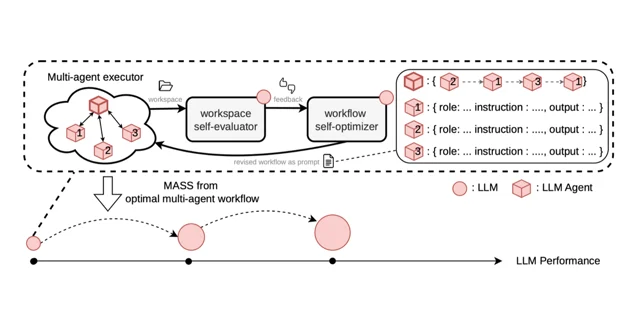
Sakana’s MASS lets one AI model learn from its own team of agents
Sakana’s new research trains one shared model on the work of its own agents, reporting better efficiency on research benchmarks after two rounds.
Sakana’s new research trains one shared model on the work of its own agents, reporting better efficiency on research benchmarks after two rounds.

Meta’s new models are available today through Muse Code and its developer API, with a wider Muse rollout planned.

Microsoft’s new decision model scores fixed choices through Foundry and OpenRouter, with input pricing of $0.042 per million tokens.

Nace’s 9B decision model scores supplied options, with local runtimes and a license developers should read before deployment.
TypeSafe’s new funding backs an AI model built to return structured decisions and probabilities that software can use directly.
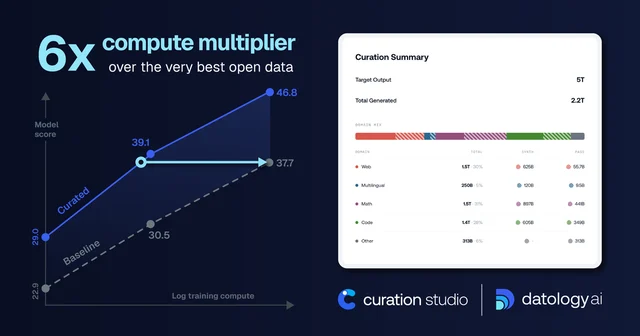
Datology’s new product prepares training datasets inside a customer’s cloud, with research showing how data choices can change model performance.

OpenAI’s new Sol Ultrafast tier is available to all API users. Here is how to enable it, what it costs and why an agent’s total speed still depends on its workflow.

New Code Assist Standard and Enterprise subscriptions are no longer for sale. Existing customers have different deadlines for added seats, annual renewals and monthly renewals.

Anthropic’s new OSS Scanner offers recurring security scans to eligible open-source projects, with raw AI findings sent directly to maintainers.
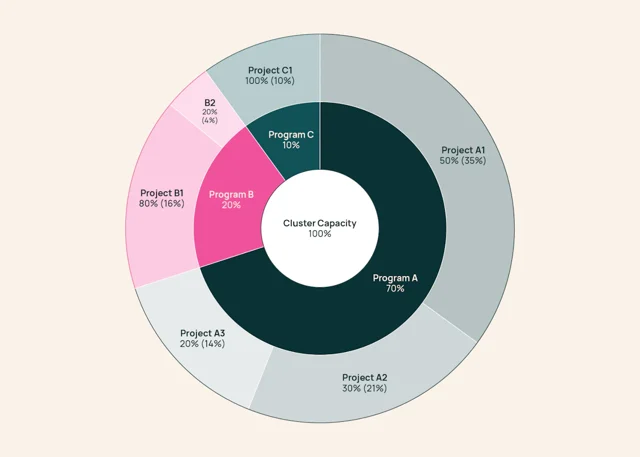
Ai2 reports shorter debugging queues after changing how teams share GPU time. The results come from its own clusters.

New production flamegraphs help developers find expensive functions in Cloudflare Workers and Durable Objects, using traffic their apps are already handling.

Google’s open embedding model lets apps search text, photos, video and audio locally. See where to download it, try the demos and check the setup details.

The public research preview tests review agents on 219 pull requests across 19 languages, with separate measures for valid findings and missed issues.
Version 0.1.39 adds Responses API support, parallel conversations and experimental paths for more hardware.