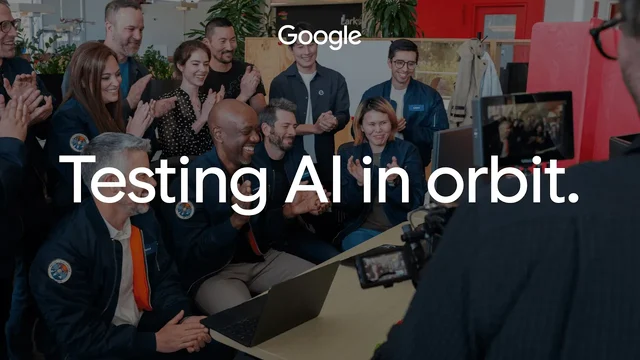
Google gets its first Gemma 4 response from a TPU satellite in orbit
Project Suncatcher’s prototype has generated an AI response in space. Thermal and radiation testing come next.
Project Suncatcher’s prototype has generated an AI response in space. Thermal and radiation testing come next.
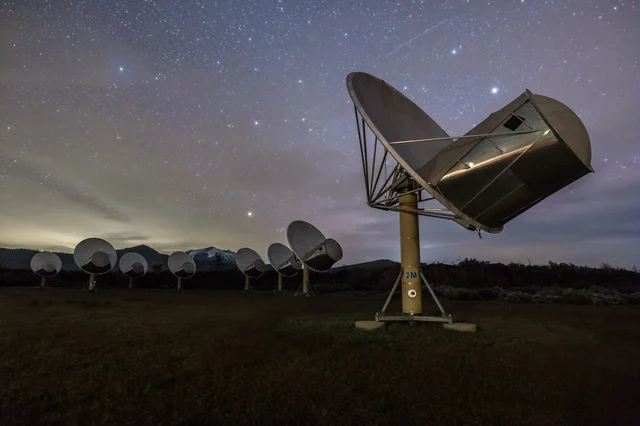
Researchers are connecting telescope controls, live signal processing, and AI agents. The work has already picked up a known pulsar.

Block says Dessa can listen and speak simultaneously, with early access aimed at safety researchers and a public waitlist.
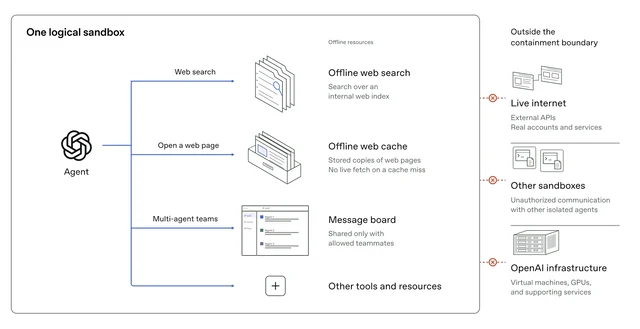
A new report explains cached web access, layered isolation, and red-team tests of communication between training agents.

The 14.8-billion-parameter research model combines DNA sequences and ordinary language, with downloadable Apache 2.0 weights.
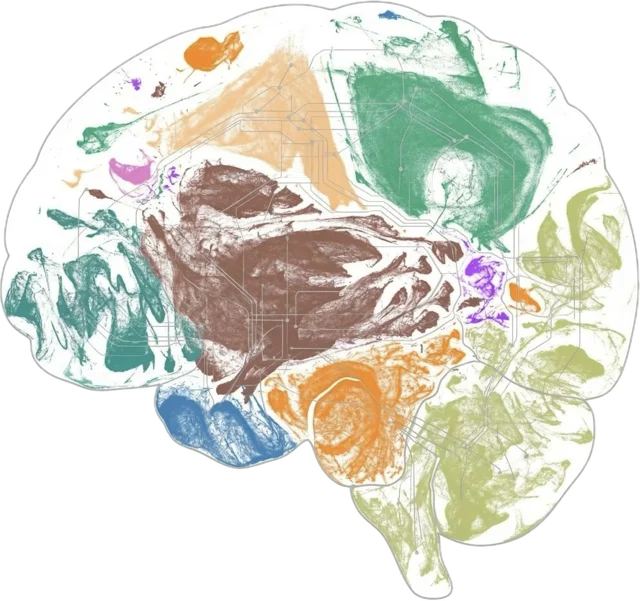
OpenAI, PerturbAI and Scripps used parallel agents to turn existing mouse-brain data into hypotheses for scientists to test.
Anthropic reports 17 successful binders from 211 tested designs. The work has not yet demonstrated an effective antivenom.
Orchestra’s team and technology will join Rosalind, adding tools for coordinating studies, tracking dependencies and responding to delays.

Glimpse revisits images and video while reasoning, with API access and company-reported benchmark results.
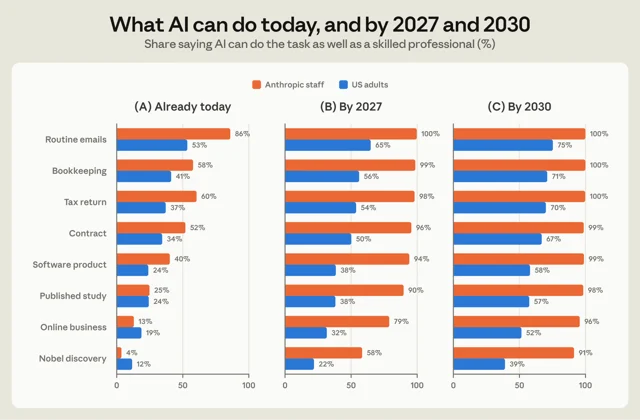
A new survey compares what US adults and Anthropic employees expect AI to do by 2030.
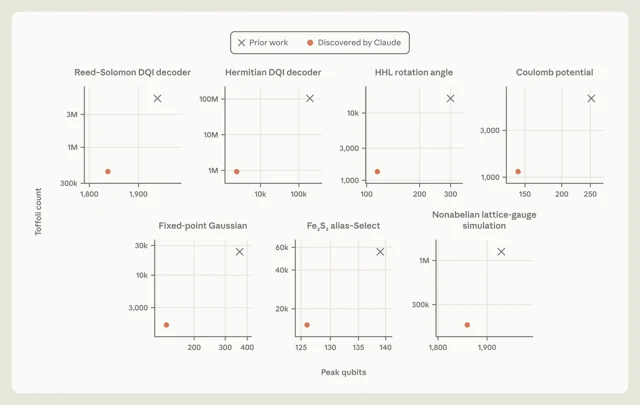
Anthropic reports circuit improvements across eight tasks, using automated checks to guide Claude’s designs.
The particle physics lab and the French AI company have signed a statement of intent to build what they call the first foundation model for collider physics.
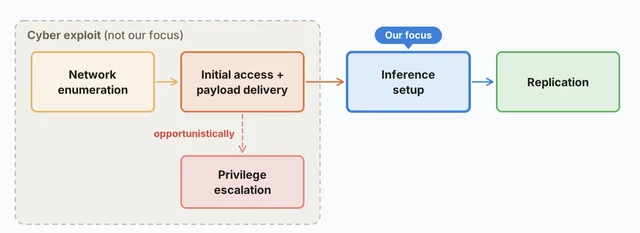
Anthropic ran a 26B model across 15 cheap Android TV boxes and found one open model could already spread through a test network. It expects small models to manage the whole job by the end of 2026.

Google’s AI reviewer checks complex documents for gaps and inconsistencies. Here’s what it accepts and how uploaded files are handled.
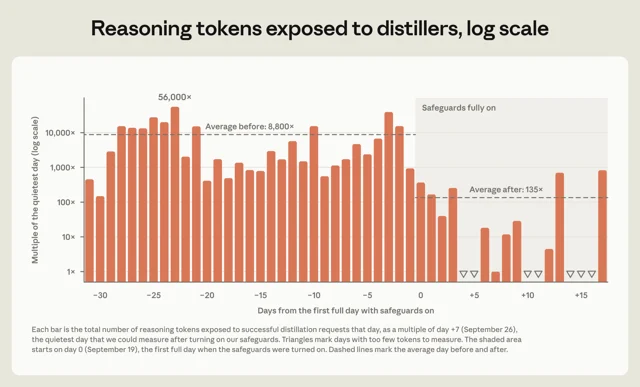
Anthropic reports a 90–99% reduction in harvested reasoning data, while acknowledging costs for legitimate API users.
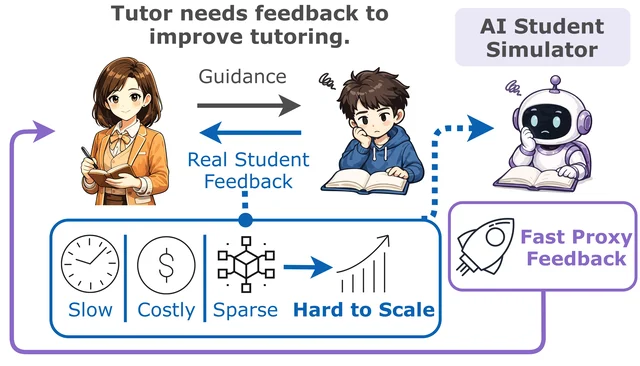
Microsoft’s StudentSim learns from de-identified records to give AI tutors simulated learners for testing before studies with real students.
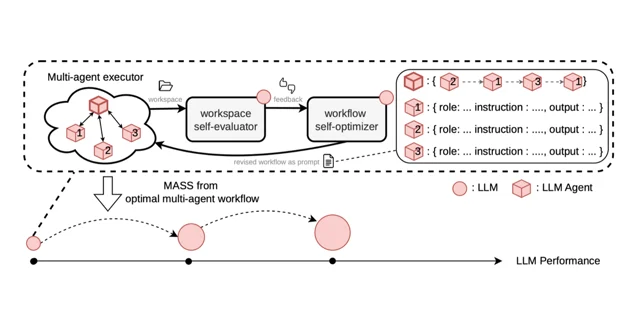
Sakana’s new research trains one shared model on the work of its own agents, reporting better efficiency on research benchmarks after two rounds.
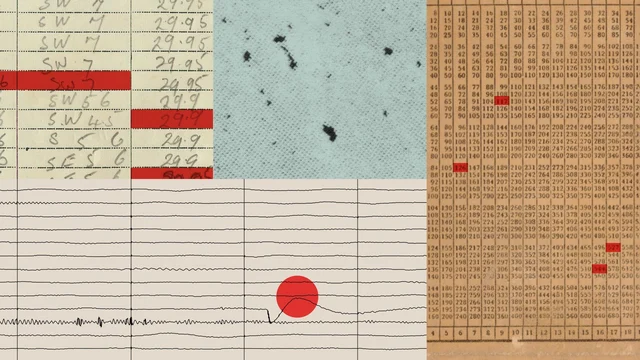
An October 9 report describes unintended actions on real websites and explains why Anthropic is changing how it tests agents.
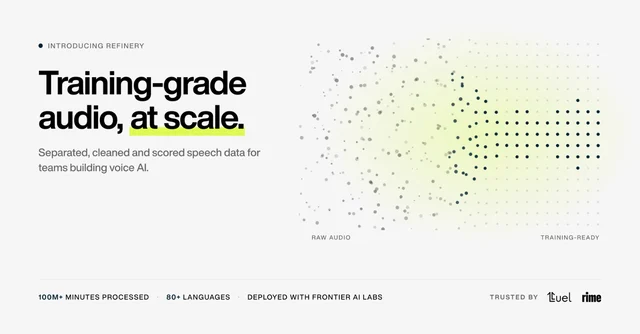
AudioShake’s new service separates speakers and scores recording quality to help labs build better voice AI.
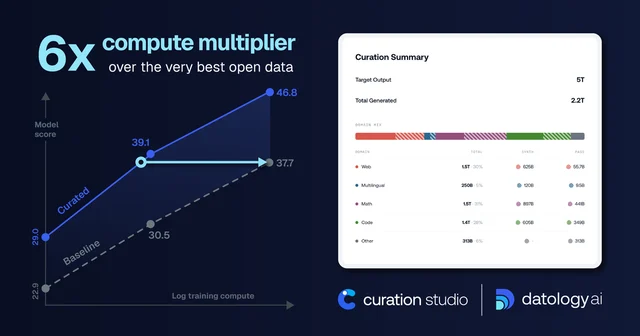
Datology’s new product prepares training datasets inside a customer’s cloud, with research showing how data choices can change model performance.