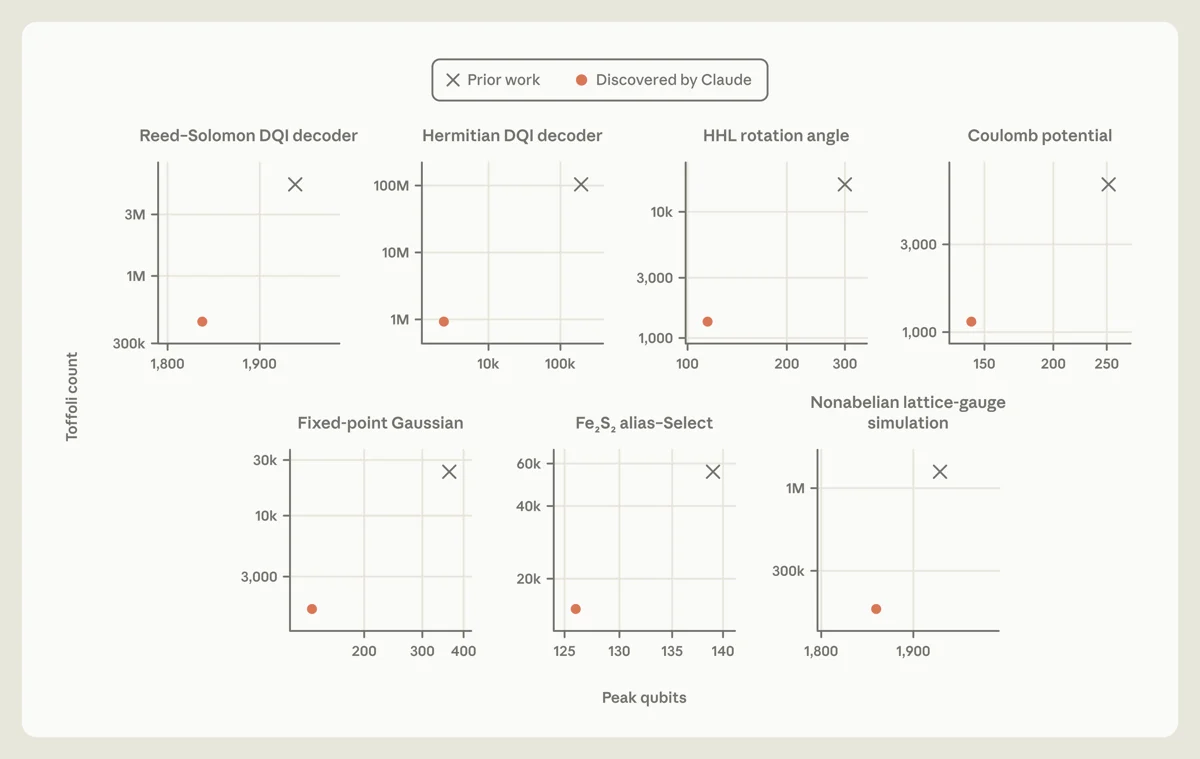
Anthropic’s October 16 research asks a useful question: can an AI reduce the resources a quantum algorithm needs before better hardware arrives?
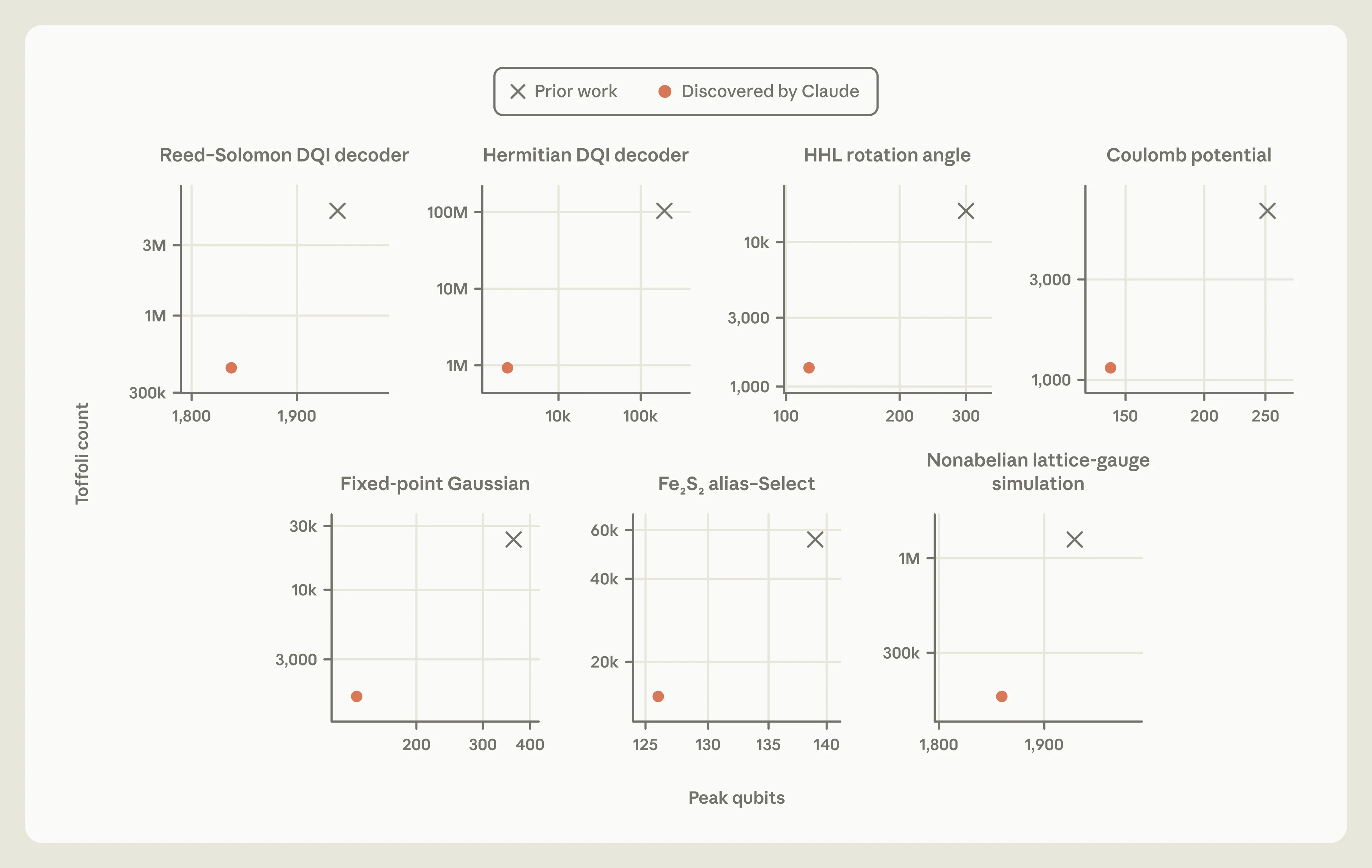
The company reports that Claude Mythos 5 improved designs for eight quantum-computing routines. Researchers supplied specifications and an evaluator that checked correctness and scored resource use. Claude then revised its proposals using that feedback.
Fewer operations, different trade-offs
The work covers routines relevant to chemistry, optimization and number theory. A key challenge is balancing the number of qubits against the number of operations: saving memory can mean repeating more work.
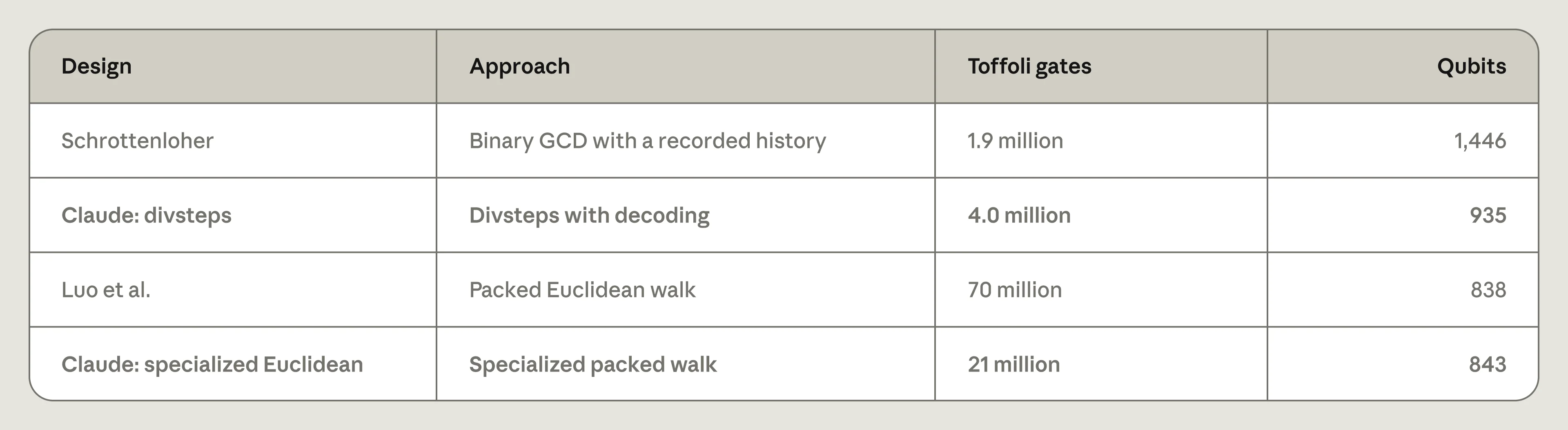
Some designs improve that balance by reusing calculations or changing how intermediate information is recovered. The results are reported by Anthropic and its research collaborators; they are circuit-design results, not a newly available quantum computer.
The promising part is the workflow. An external checker gives the model a concrete target and catches bad proposals, making repeated experimentation more useful than simply asking for a plausible answer.



No comments yet