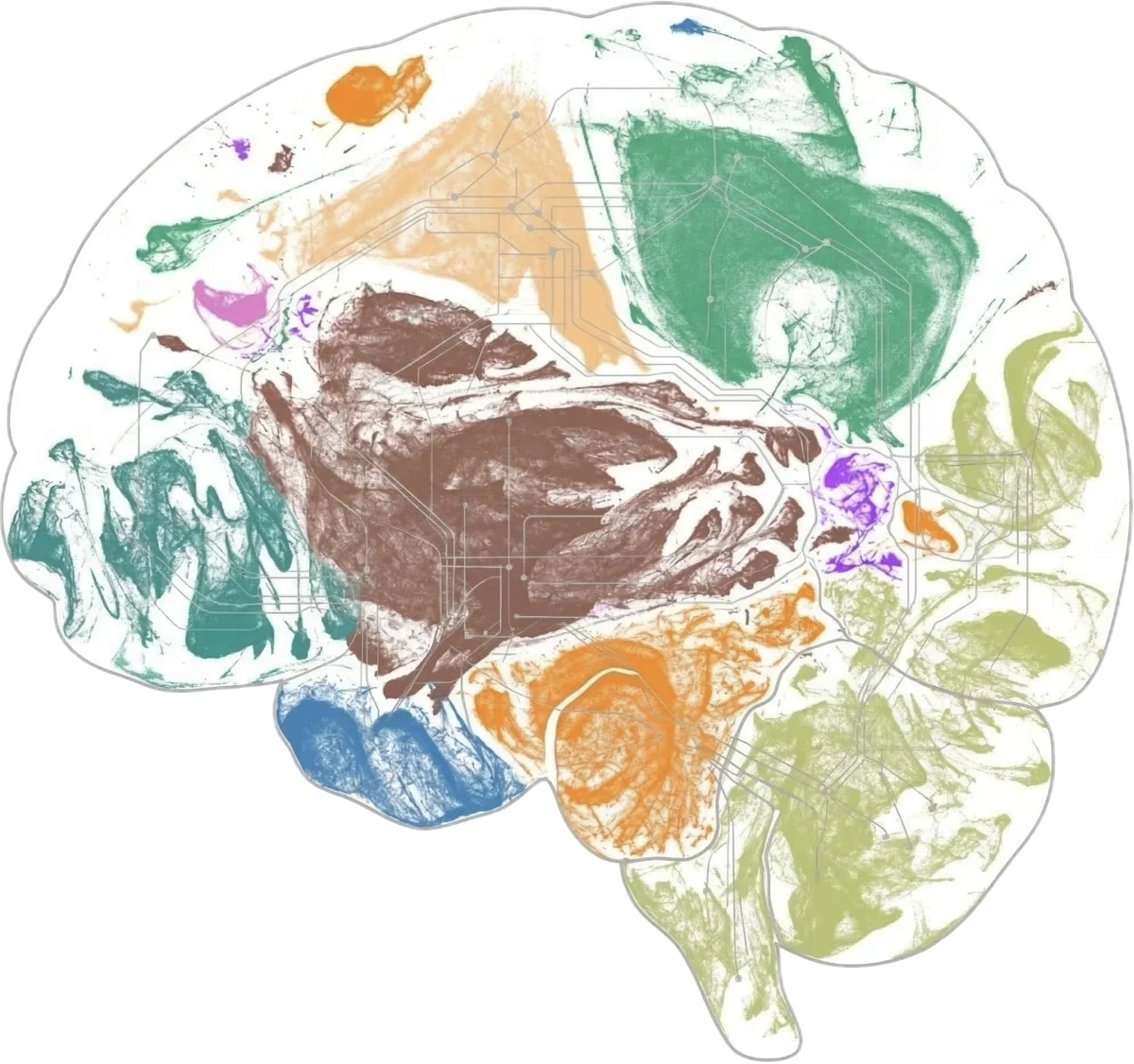
OpenAI, PerturbAI and Scripps Research say thousands of AI agents analyzed an existing dataset of mouse brain cells and assembled research leads in 32 minutes. They announced the work on October 21.
The agents investigated gene disruptions, reviewed cellular responses and searched scientific literature. Their findings were combined into a reasoning atlas connecting observations with possible biological explanations.
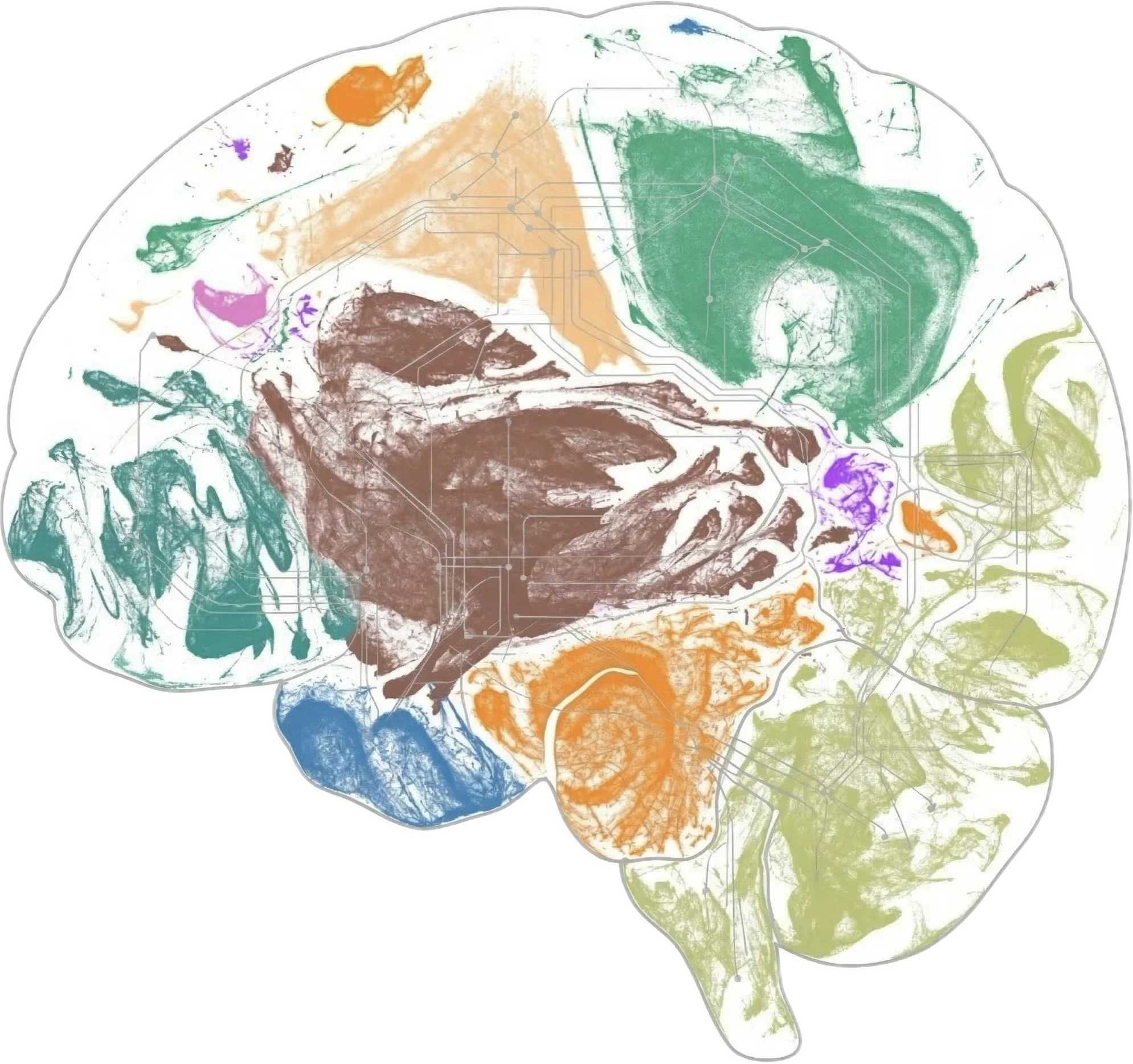
According to OpenAI, the system surfaced leads involving differences between two disease-linked genes and a possible connection between cholesterol regulation and neurodegeneration.
Faster interpretation, followed by experiments
PerturbAI’s announcement says blinded experts preferred the distributed-agent reports over single-agent reports 75% of the time. The research team estimates that comparable serial human analysis and literature review would take months to a year.
Those are study-specific comparisons. The 32-minute figure covers analysis of existing data, rather than growing cells, conducting all the original experiments or developing a medicine.
The findings remain hypotheses to investigate. Researchers have released code and resources so others can explore the evidence and use it to plan follow-up work.



No comments yet