An internal Claude research model designed proteins that attached to scorpion toxins in laboratory testing, Anthropic reported on October 20. The goal is to explore a possible route toward future antivenoms.
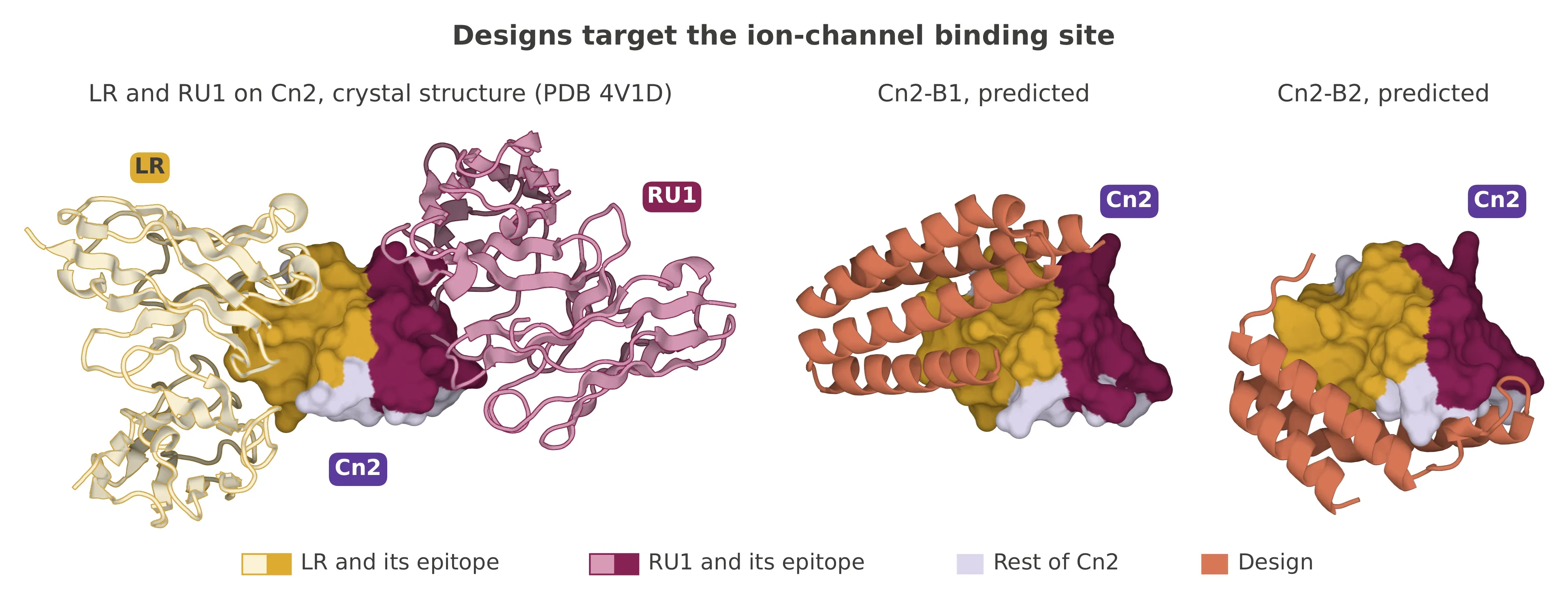
Working with Citrini Research, the team gave Claude an initial prompt and four follow-ups. Adaptyv Bio and Twist Bioscience tested 211 designs; 17 met the study’s binding criteria.
What the result establishes
Binding is an early step. The technical report says the researchers have not yet shown that these proteins neutralize toxins in functional tests or protect living animals. Designs intended to cover multiple toxins did not meet the criteria against more than one.
That distinction matters because an eventual treatment would need to stop the toxin’s effects, work safely and remain practical to produce and distribute.
Anthropic says it is releasing the designs and results for further research. The announcement is a promising example of AI helping choose candidates for experiments, with the central therapeutic questions still open.



No comments yet